

Is Short-Form Video Making It Harder for Your Teen to Bounce Back at School?
aplicación de la Zona Juntos
(Haga clic aquí para obtener más información)
desafío peligroso en redes sociales
(Haga clic aquí para obtener más información)
aplicación de la Zona de Evitar
(Haga clic aquí para obtener más información)
aplicación de la Zona de Precaución
(Haga clic aquí para obtener más información)
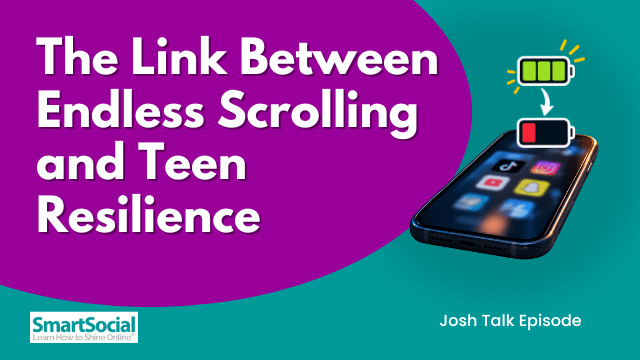
A bad test grade, a difficult assignment, or a stressful week at school can be frustrating for any teen. But could spending too much time watching short-form videos make it more difficult for students to bounce back from these everyday challenges? A recent study involving more than 1,500 high school students found a connection between compulsive short-form video use and greater difficulty handling academic setbacks. Here's what parents should know about the findings and how they can help their teens build resilience, stay motivated, and develop healthier screen time habits.
What is happening with short-form video and teen resilience?
- In a recent study, researchers followed more than 1,500 high school students for one year (Source: PsyPost)
- They found that teens with more compulsive short-form video use (scrolling that is hard to stop) had more difficulty handling everyday setbacks at school
- Researchers call this skill "academic buoyancy." It simply means bouncing back from normal school stress, like:
- a bad test score
- a confusing lesson
- a stressful homework assignment
- This "academic buoyancy" is different from major life hardships. It is about the small, everyday bumps every student faces and how easily they recover from these minor setbacks
Why should parents care?
- The endless supply of short form videos on apps like TikTok, Instagram Reels, and YouTube Shorts offer teens instant entertainment, while reaching academic goals often requires weeks, months, or even years of consistent effort.
- In the study, teens who struggled more to control their short-form video use also had a harder time thinking about their future goals and recognizing how their current efforts, like studying and completing assignments, could help them get into college down the road
- When the future feels far away, pushing through a tough assignment can feel pointless
- It can become a cycle: school stress feels bad, so teens scroll for quick relief, which can make the next setback even more difficult to overcome (Source: PsyPost)
- A Wall Street Journal podcast with family and tech columnist Julie Jargon also explores how the constant churn of short clips may change how young people experience time (Source: WSJ Tech News Briefing)
What can parents do at home?
- Review the SmartSocial.com guide, Optimize Parental Controls to help set screen-free times during dinner, homework, and before bed
- Use controls native to both the devices and the platforms to set app limits to reduce how much time your teen spends scrolling
- Notice what keeps your teen motivated when results do not come right away, and discuss it
- Talk with your teen about a future goal they care about, and what realistic progress could look like over the next few weeks or months
- Give your teen more chances to work toward something that takes time, like learning an instrument, training for a sport, or saving up for something special
- Celebrate effort and small steps, not just final grades
In the news

... they watched so many short-term, rapid-fire videos that it actually messed up their ability to think about things long-term. This, in turn, left them unable to absorb setbacks -Forbes
Dialogue starters for parents
- "When a class gets really hard, what helps you keep going?"
- "What's something you're looking forward to a year from now? What could we do this month to get closer?"
- "Do you ever look up and realize you've been scrolling way longer than you meant to? What do you think makes it so hard to stop?"
- "What's one thing you've gotten better at because you kept practicing, even when it was frustrating?"
- "Would you want to try a phone-free homework hour together this week? I'll put my phone away too."
Conclusion
Short-form videos can be entertaining, but spending too much time scrolling may make it harder for teens to stay motivated and work through everyday challenges. Parents can help by setting healthy screen time boundaries, encouraging activities that require patience and persistence, and helping teens recognize the progress they make along the way. Small changes at home can help teens develop the confidence and resilience they need to handle setbacks, stay focused on their goals, and keep trying when things get difficult.
Additional Resources for Parents
The Impact of Screen Time on Motivation, Health & Academics
Proteja a su familia y participe para tener la oportunidad de ganar fantásticos premios
Inicie sesión o únase para proteger a su familia y participar por la oportunidad de ganar premios
Hágase miembro o inicie sesión para obtener más información sobre este tema

Esta es una gran información, ¡gracias por darme algunas ideas sobre cómo iniciar un diálogo con mi hijo adolescente!

Sharon M.
Miembro VIP para padres
La presentación de Josh sobre las redes sociales fue increíblemente fantástica. Nuestros estudiantes aprendieron mucho sobre lo que los niños deben y no deben hacer. El hecho de que sea un proceso tan cuidadoso hizo que todo valiera la pena.
Director de Asesoramiento Universitario
Asistente al seminario web para educadores
Este seminario web es una revelación muy útil sobre las aplicaciones que son populares entre mis alumnos.
Irene C.
Asistente al seminario web para educadores
Proteja a su familia y participe para tener la oportunidad de ganar fantásticos premios
Inicie sesión o únase para proteger a su familia y participar por la oportunidad de ganar premios

., empieza a aprender desde esta página para participar en el sorteo semanal.*
Hola, soy Josh, fundador de SmartSocial.com.
No abandones esta página sin completar nuestro formulario de comentarios, que aparecerá después de que consultes nuestros recursos...