

Drugs & Social Media: How Teens Buy Dangerous Substances
.png)
Social media has changed how teens communicate, but it has also changed how drug dealers operate. Instead of street corners, many dealers now use platforms like Instagram, Snapchat, and TikTok to quietly advertise drugs using coded language, emojis, disappearing messages, and “menu” style posts. What may look like a normal account or casual message can actually be part of a growing online marketplace that targets young people. For parents, understanding how these interactions begin, the warning signs to watch for, and the steps you can take to protect your child has never been more important.
The Store-Bought Product Sending Teens to Rehab
What Parents Should Know About 7-OH
- 7-OH, short for 7-hydroxymitragynine, is a compound connected to kratom that may be sold online, in smoke shops, gas stations, and corner stores, is the cause for multiple overdoes deaths (Source: SFGATE.com)
- One report says a young adult bought the product out of curiosity and spent more than $5,000 within three months as his tolerance built (SFGATE.com)
- These products may look harmless because they can come as tablets, gummies, drink mixes, or shots with bright packaging, fruit flavors, or wellness-style labels
- Teens may see words like “natural” or “plant-based” and assume the product is safer than it really is
- The FDA has warned that 7-OH products have not been proven safe or effective for any use and may carry serious risks, including addiction, withdrawal symptoms, seizures, and trouble breathing (Source: Pathfinder-Recovery.com)
- Parents can set a clear rule: teens should not take any substance unless it comes from a parent or licensed medical professional
- Families should also check labels on anything they buy, especially products that make health, wellness, energy, pain relief, or anxiety claims
How Teens Are Buying Dangerous Substances Online
How do teens find drugs on social media?
- Drug dealers have adapted to modern technology, using platforms like Facebook, Instagram, Snapchat, and TikTok to advertise; posting in disappearing messages and 24-hour stories to target teens
- These advertisements use code words, phrases, and emojis that are difficult to track
- A dealer’s social media account is often referred to as a “plug” account, where they post menus to advertise their drugs, facilitating online orders
- Once buyers and dealers are in contact, they move off social media to more encrypted chat apps like WhatsApp, Signal, or Telegram, and then payment through cash apps such as Venmo, Zelle, or Cash App
"The Internet is probably the primary mechanism for drug dealers because using social media and smartphones to conduct business is far quicker and more efficient than methods of the past. The same privacy settings that are meant to protect users’ confidential information are also used by drug dealers to cover their tracks and render themselves invisible..." - American Addiction Centers
Red Flags About Online Drugs
- 36% of teens have misused a drug at least once by 12th grade (Source: NCDAS)
- Fake Drugs: Oftentimes, drugs purchased online are fake pills that are laced with deadly fentanyl. Fentanyl laced pills have been identified in all 50 states and the DEA claims that "4 out of every 10 pills with fentanyl contain a potentially lethal dose" (Source: Dea.gov)
- Emojis and Codes: Be vigilant about suspicious emojis or codes used in messages as undercover symbols for drugs. A plant emoji could imply marijuana, while a pill emoji might signify pills. Even the seemingly benign blue dot emoji could suggest oxycodone tablets. As these symbols can evolve, it’s crucial to focus on the overall profile and menu-style posts instead
- Suspicious Phrases: Phrases like "New drops pull up" or "I can bring it" indicate that what might first seem like a conversation is actually a drug delivery order
- Disappearing Messages: Be cautious if your child is encouraged to use disappearing message features, is added to private Snapchats or Instagram stories, or if messages include warnings against screenshots. These tactics are meant to minimize the online paper trail while communicating with your teen
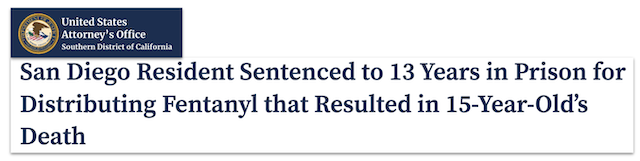
Drug dealers are using social media to target kids...Parents, be vigilant about checking your children’s social media, it may save their life. - DEA Special Agent in Charge Shelly Howe, Justice.gov

...the drug market has shifted dramatically from the streets to social media, and it can be accessed as easily as ordering takeout, but the consequences can be deadly. - Fox17, Nashville
Online predators may try to trick teens who may not be looking for drugs
- Predators can be tricky and work to build a “friendship” with students online. Then they may convincingly offer drugs that the student may not have been looking for
- Just like strangers in person on the street, we all have to be cautious about strangers we are also friending online
What can parents do?
- Review and monitor who your teen follows and interacts with on their social media accounts regularly
- Tighten privacy and messaging settings for children under 16 to prevent interaction with strangers
- Maintain open lines of communication with your teen. Emphasize the potentially deadly consequences of counterfeit pills and enforce a rule that any substance should only be acquired from a trusted adult, a licensed doctor, or a pharmacy
- Develop an exit plan for your teens if they feel pressured, which could include stopping communication, taking screenshots, blocking, reporting the user, and informing you or another trusted adult immediately
Conclusion
Social media can make it easier than ever for teens to encounter risky situations without realizing it. By understanding how drug dealers use coded language, disappearing messages, and private chats to reach young people, parents can be better prepared to step in early. Regularly checking in about who your teen follows, setting clear boundaries around messaging with strangers, and keeping open conversations about the real dangers of counterfeit pills can make a meaningful difference. When families stay informed and connected, they can help teens navigate social media more safely and make smarter decisions online.
More Resources for Parents
Avoiding Strangers & Dangerous Situations Online
Shine Online: Positive Impact of Social Media & Screen Time
Instagram App Guide: What Parents, Educators, & Students Need to Know
You're not logged in!
Log in or join to protect your family and enter for a chance to win cool prizes
Become a member or log in to learn more on this topic

This is great info, thanks for giving me some ideas on how to start a dialogue with my teen!

Sharon M.
Parent VIP Member
Josh's presentation about social media was unbelievably fantastic. Our students learned so much about what kids should and shouldn't be doing. The fact that it is such a thoughtful process made it all worthwhile.
Director of College Advising
Educator Webinar Attendee
This webinar is a very helpful eye-opener on the apps that are popular with my students.
Irene C.
Educator Webinar Attendee
You're not logged in!
Log in or join to protect your family and enter for a chance to win cool prizes

., start learning from this page to enter for a chance to win each week!*
Hello, I'm Josh, the founder of SmartSocial.com.
Don't leave this page until you fill out our feedback form that will appear after you learn from the resources...


%20(1).png)
.jpg)