
Online Predators & Teen Privacy: Dangers of Too Much Online Freedom

In today's digital age, the line between safety and security can often blur, especially when it comes to our children navigating the vast world of the internet. Actions taken by the Department of Justice highlight the urgent need for parental vigilance and intervention. Operation Restore Justice led to over 200 arrests and the rescue of 115 children from online exploitation, shocking numbers that only scratch the surface of a much larger crisis. As predators hide behind fake profiles and popular platforms like Discord, Roblox, and Instagram, parents must be more vigilant than ever.
This SmartSocial blog breaks down the real threats, the tactics predators use, and the practical steps parents can take today to protect their children in the digital world.
Parent Video
Online Privacy Dangers
- There are many important potential dangers associated with giving children too much online freedom or privacy
- The Department of Justice's Operation Restore Justice led to the arrest of 205 individuals for alleged child abuse and successfully rescued 115 exploited children. While this represents progress, there are countless other predators still at large (Source: FBI.gov)
- Online grooming is the process by which a predator builds a relationship with a child over the internet to gain their trust with the intent of exploiting or abusing them
- Many predators infiltrate children's lives by pretending to be someone they're not, posing as fellow gamers, teens, friends, or even mentors
- Predators want parents to let their guard down and give their children privacy online
What is the 764 group?
- The group 764, which is under investigation by the FBI, represents an organized network of predators that are attempting to cause harm and chaos in society (Source: ABC News)
- They target and groom minors, coerceing them into harming themselves and other. Sextortion and swatting are two common tactics amonst the group
- These predators navigate social media sites and other platforms popular with teens: Discord, Snapchat, Roblox, Minecraft, Instagram, X (formerly Twitter), and Telegram
What can parents do?
- The head of the Department of Justice has emphasized the gravity of this issue: children have no inherent right to online privacy
- Due to the grave risks, it’s vital that parents remain proactive about monitoring their children's online interactions
- Foster Open Communication: Initiate and maintain an open dialogue with your child about the potential risks they face online. While parental controls have their place, the strongest defense is regular, meaningful conversations
- Monitor Their Online Environment: Avoid allowing your child to use screens alone in isolated areas like bedrooms. Keep their activities visible and ensure they remain under your watchful eye
- Educate About Grooming Tactics: Teach your children to recognize grooming behaviors—such as flattery, offering of gifts, requests for secrecy, and emotional manipulation—before it can be used against them
- Regular Device Checks: Make it a routine to check your child's devices weekly. Review messages, group chats, friend lists, and app activity. Build trust with your child while also confirming their online contacts are known and safe
764 in the News

These predators are online on social media sites and gaming apps and will interact with their victims, begin to establish a relationship, and then eventually groom them into the desired behavior. They utilize coercion, manipulation, and blackmail to extort their victims into creating sexually explicit photos and videos, photos and videos of self-harm, animal cruelty, murder, and even suicide. - Ryan Maxwell, FBI Assistant Special Agent, FOX32 Chicago
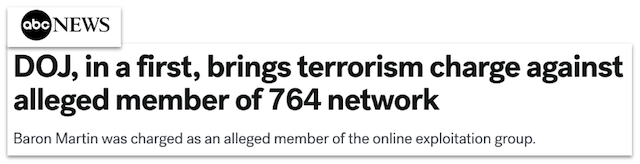
The Justice Department has filed terrorism charges against an Arizona man for his alleged role in the growing network of online predators known as "764," whose worldwide followers use social media platforms to target, groom and push young teens into harming themselves and others. - ABC News
Conclusion
Predators count on parents to give privacy and assume their kids are safe online, posing a threat to a child's safety. But with regular device checks, open conversations, and a clear understanding of grooming tactics, parents can reduce the threats and keep their children safe. Understanding that parents don't need to be a tech wizard to protect their children online is empowering. Presence, proactivity, and prioritizing safety over screen time are key.
You're not logged in!
Log in or join to protect your family and enter for a chance to win cool prizes
Become a member or log in to learn more on this topic

This is great info, thanks for giving me some ideas on how to start a dialogue with my teen!

Sharon M.
Parent VIP Member
Josh's presentation about social media was unbelievably fantastic. Our students learned so much about what kids should and shouldn't be doing. The fact that it is such a thoughtful process made it all worthwhile.
Director of College Advising
Educator Webinar Attendee
This webinar is a very helpful eye-opener on the apps that are popular with my students.
Irene C.
Educator Webinar Attendee
You're not logged in!
Log in or join to protect your family and enter for a chance to win cool prizes

., start learning from this page to enter for a chance to win each week!*
Hello, I'm Josh, the founder of SmartSocial.com.
Don't leave this page until you fill out our feedback form that will appear after you learn from the resources...