

Combat Online Bullying: Supporting Positive Student Behaviors
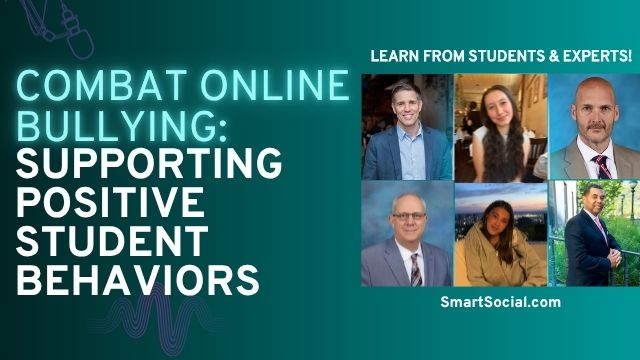
The Cyber Threat Following Your Teen, How Awareness Could Make All the Difference
- Cyberbullying doesn’t stay at school—it follows your teen everywhere, quietly affecting their confidence, relationships, and mental health
- The signs are often subtle and easy to miss, but the impact can escalate quickly if no one steps in early
- Even if your teen isn’t being bullied, they’re likely seeing it, participating in it, or unsure how to respond when it happens
- Waiting for your teen to bring it up may mean waiting too long—this is one of those conversations that needs to start with you
- Recognize what’s really happening online and learn simple ways to open a conversation tonight without shutting your teen down
Your Teen’s Online Conversations Aren’t Always Safe—Here’s the Hidden Reality
Win prizes! After watching this video, click here to share quick feedback.
The Invisible Effects of Bullying that Teens May Be Experiencing
Win prizes! After watching this video, click here to share quick feedback.
Knowing the Signs of Cyberbullying Can Make All the Difference for Your Teen
- Cyberbullying is when someone deliberately and repeatedly harms or harasses someone online via social media, text messages, gaming, or other online platforms
- There is often a power imbalance, which can be physical, social, or intellectual
- There is an intent to harm with cyberbullying, meaning it is not an accidental offense
- True bullying is ongoing and not a one-time incident
- 58% of middle and high school students have personally experienced cyberbullying (Source: cyberbullying.org)
Distinction Helps You Respond the Right Way (Not Overreact or Miss It)
- Accidental harm: When someone accidentally bumps into you in the hallway or during sports, it's not always bullying. Bullying involves intentional harm
- Single disagreement: A one-time argument or disagreement (online or in person) with a classmate, even if it's heated, doesn't qualify as bullying. Bullying is repetitive and targeted
- Not being chosen for a team or seeing a photo of an event you weren’t included in: Feeling left out because you weren't picked for a team or a group activity isn't always bullying. Bullying is about repeated and deliberate exclusion
- Joking among friends: Careless jokes among friends (online or offline) that end up being hurtful but weren’t meant that way usually don't constitute bullying. Bullying is about causing harm, distress, or fear
- Not sharing interests: A friend not wanting to hang out with you is not always bullying. Bullying involves deliberate and repeated hostile behavior
- People ignoring you: Sometimes your friends are going through a lot and can’t respond to you online. They may have struggles you don’t know about
Friends Can Support Each Other Against Cyberbullying
There’s No “Off Switch” for Cyberbullying (and Why Parents Need to Know)
- Relentless and Inescapable: Cyberbullying can occur 24/7, making it impossible for victims to find a safe space, even at home
- Anonymous: Cyber bullies can hide behind anonymous names and fake profiles, which encourages more aggressive behaviors
- Wide Audience/Viral: Images, videos and messages can go viral, reaching a large audience and increasing humiliation
- Permanent Digital Footprint: Damaging posts, messages, and pictures leave a lasting record, even if posts are deleted, impacting the student’s future
Digital Messages Can Feel More Intense Than Face-to-Face Interactions
- Insults or name-calling - Messages that contain derogatory language aimed at belittling or shaming an individual
- Public shaming - Messages that aim to embarrass or humiliate an individual in a public online space such as a social media platform, including sending embarrassing, sensitive, or private messages
- Threats - Messages that include threats of harm or intimidation, attempting to instill fear in the victim
- Manipulation - Messages that try to control or coerce an individual into doing something against their will
- Harassment - A barrage of unwanted messages that may be aggressive, condescending, or offensive
- Identity theft - Sending messages while pretending to be the victim, often to ruin their reputation or relationships
Cyberbullying Can Quietly Affect Your Teen’s Well-Being
- Mental Health: Cyberbullying is strongly associated with increased risk of depression, anxiety, and lower self-esteem
- Social Distress: Victims of cyberbullying report social withdrawal, isolation, emotional distress, and lack of interest in activities they used to enjoy
- Academic Performance: Bullied students may experience a decline in academic focus, engagement, and attendance; some may even drop out
- Physical Health: Cyberbullying can manifest as headaches, lack of sleep, diet changes, illness and decline in well-being
- Behavior Changes: Students engaged in cyberbullying may develop aggression, mood swings, anger, addiction, or risky behaviors
- Risk of Suicide: A child who is bullied is 4x more likely to report suicidal thoughts and self harm
What Bullying Behavior Can Reveal About a Teen’s Struggles
- Exposure to an adult or influence who is aggressive or violent
- Feeling out of control. They look for power by controlling others
- Succumb to peer pressure for social acceptance and status
- Feeling insecure or have very low self-esteem
- Lack of empathy, emotional regulations or understanding
- They may be victims of peer bullying themselves
Stop Cyberbullying in Its Tracks Before It Hits Home
- Protect your personal information - Don’t make it easy for an online bully to target you. Keep your passwords and contact information private
- Think before posting - Don’t post anything online unless you are comfortable with everyone seeing it
- Choose your friends wisely - Only accept friend/follow requests from people you trust and know in person. Block anyone who is negative towards you
- Establish good online boundaries - Decide how you want to be treated, and speak up when those boundaries are crossed so things don’t escalate
- Focus on self-confidence - Showing confidence can often scare bullies away, but it can also help you recover from situations that would otherwise tear you down
Parents Can Make the Difference Between Harm and Safety
- Discuss online interactions with a trusted adult - Foster an environment where students can talk about their online interactions with parents or teachers so they don’t feel alone
- Don't respond or retaliate - If students are targeted, advise them not to respond or retaliate, as this can often make the situation worse
- Regularly check and clean up profiles - Have students review their online profiles regularly and remove anything that could make them a target
- Be an upstander, not a bystander - Encourage students to support peers who are bullied online and to report it to an adult
- Save the evidence - Encourage students to save messages or take screenshots of any bullying in case they need to report it
- Use reporting features - Teach students how to use the report features on social networks and online platforms to report cyberbullying
- Know when to disconnect - Encourage students to take breaks from social media and to disconnect from devices if they are feeling overwhelmed by online interactions
How to Start the Conversation Your Teen Might Never Bring Up
- “If someone ever said something mean to you or others online, would you feel comfortable telling me about it? I want you to know I’m here to help, not judge.”
- “I’ve noticed that you seem more withdrawn lately and upset after using your phone/computer. Would you like to talk about anything happening online?”
- “I’ve heard stories about kids struggling with mean online behavior—both on the receiving end and sometimes participating in it. If you ever find yourself in a difficult situation, know that we can figure it out together.”
- "Who are the adults or friends you trust enough to talk to if a situation online makes you feel uncomfortable?
- "What are some safe ways to respond if you see someone being bullied online?"
- "Have there been any times when you have felt bullied or uncomfortable by something that was said to you online?"
Red Flags That Signal Your Teen Might Be Targeted Online
If you notice a change in your student's habits then that might be a sign your child is being bullied online.
- Change in diet
- Sleeping more than normal or less than normal
- Academic changes
- Shows signs of aggression or increased agitation
- Change in habits
- Loses interest in activities they once enjoyed
- Increase or decrease in device usage
- Withdrawn, doesn’t want to talk
Intervening Effectively Without Overreacting
- Talk to your child - Have an open and supportive conversation about what’s happening and what your child feels the best solution would be
- Document the bullying - Keep a record of incidents, including dates, times, and descriptions
- Contact the school - Work with teachers and administrators to address the issue
- Professional support - Consider seeking help from a counselor or psychologist if your child is struggling emotionally
- Legal advice - In severe cases, if the bullying includes illegal activity, such as physical assault or sharing nude photos, legal advice might be necessary
- Empower your child - Work with your child to develop strategies to handle bullying and to boost their confidence and resilience
Lifelines That Could Give Your Teen the Support They Need
- National Suicide Prevention Lifeline Crisis Chat: https://988lifeline.org/chat/
- Stop Bullying Now Hotline: 1-800-273-8255
- No Bully Help Hotline: 1-866-488-7386
- LGBT National Youth Talkline: 1-800-246-7743
Expert Advice Every Parent Needs to Keep Teens Safe Online (Full Event Replay)
What Parents Can Do Tonight to Stop Cyberbullying Before It Escalates
Cyberbullying has become one of the most serious threats to students’ mental health and safety today. Unlike traditional bullying, it doesn’t stop at the end of the school day; it follows students home through their phones, gaming platforms, and social media feeds. Just one post, message, or image can unfairly hurt a student’s reputation, undermine their confidence, and affect their well-being. Understanding what cyberbullying really looks like, how it differs from other online disagreements, and how parents and educators can respond is the first step toward prevention. This guide will help parents recognize the signs, support students who are struggling, and create safer digital spaces where kindness, not cruelty, thrives.
Cyberbullying is a serious issue that is impacting the lives of many students today. Recognizing the tactics used by cyberbullies and having a clear understanding of how to support students who are being bullied online is crucial. Parents and educators need to keep the lines of communication open with students to support them and help them respond to bullies in a healthy way. Cyberbullying is an ongoing problem. It will require vigilance, empathy, and a collective effort to create safer spaces online.
You're not logged in!
Log in or join to protect your family and enter for a chance to win cool prizes
Become a member or log in to learn more on this topic

This is great info, thanks for giving me some ideas on how to start a dialogue with my teen!

Sharon M.
Parent VIP Member
Josh's presentation about social media was unbelievably fantastic. Our students learned so much about what kids should and shouldn't be doing. The fact that it is such a thoughtful process made it all worthwhile.
Director of College Advising
Educator Webinar Attendee
This webinar is a very helpful eye-opener on the apps that are popular with my students.
Irene C.
Educator Webinar Attendee
You're not logged in!
Log in or join to protect your family and enter for a chance to win cool prizes

., start learning from this page to enter for a chance to win each week!*
Hello, I'm Josh, the founder of SmartSocial.com.
Don't leave this page until you fill out our feedback form that will appear after you learn from the resources...


%20(1).png)
.jpg)