

Teens Trusting Health Advice From Social Media
.png)
Why This Matters for Your Child’s Health and Decision-Making
- Your child may be trusting advice from social media that only sounds credible, and that can lead to real decisions about their body, health, and habits
- One video can influence what teens believe is “normal” or “healthy,” even if it’s misleading or meant for someone else
- Because this is happening during everyday scrolling, most parents don’t realize how often their child is getting health guidance from social media
- Some teens are starting to question doctors and trusted adults, choosing influencer advice instead when it feels more relatable
- Watching this video together helps your child pause and think, instead of blindly following what shows up in their feed
The Dangers of Teens Trusting Health Advice From Social Media
Win prizes! After watching this video, click here to share quick feedback.
Why One Video Can Turn Into a Flood of Advice
- Social media platforms, such as TikTok, Instagram, and YouTube are designed to be addictive and to keep a teen's attention (Source: PBS.org)
- Due to the algorithms, watching one health-related video will lead to more of the same type of content appearing in a teen's feed
- Most influencers present their advice with confidence, convincing viewers even when the information isn't accurate
- Seeing the same type of content over and over can make it seem more reliable than it actually is
- Teens may not realize how quickly their feed is being shaped and over time, this can create a false sense of certainty
How This Can Affect Your Child’s Health Decisions
- Self-diagnosing issues based on short video clips
- Trying beauty, dietary, or exercise routines that may not be age-appropriate or safe
- Following advice meant for adults or specific situations
- Delaying or avoiding seeking help from a parent or a professional or questioning guidance from doctors if something online sounds more convincing
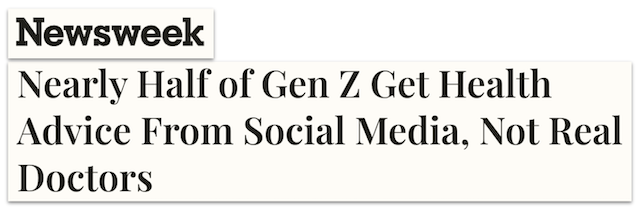
A third of Gen Z say they are already acting on influencer advice, with 33 percent reporting they have let a content creator with no medical training influence a personal health decision. - Newsweek.com
Why Parents Often Don’t See It Happening
- Health and "lifestyle" content is mixed into everyday scrolling
- Teens may not mention where they’re getting advice
- It can feel normal to a teen to trust what they are seeing online and the advice they are recieving because they trust the influencer
- A growing number of young people say they trust health advice on social media, sometimes even more than medical professionals (Source: Newsweek)
How to Stay Connected To Your Teen Without Creating Pushback
- Ask what kinds of health tips teens are seeing online
- Show curiosity instead of judgment when discussing
- Let them explain what they find helpful or confusing
- Remind teens they can come to you when something doesn’t feel right, and you’ll help them find answers they can trust
Conclusion
More teens are turning to TikTok, Instagram, and YouTube for answers about their health, and it often feels fast, relatable, and easy to trust.
A teen might watch one video about anxiety, acne, or a workout routine, and within minutes their feed is filled with similar advice. It can feel like they’ve found answers and a plan, even if none of it came from a reliable source.
You're not logged in!
Log in or join to protect your family and enter for a chance to win cool prizes
Join our next live online workshop events to keep your family safe and be entered for a chance to win an Amazon Kindle, Bluetooth speaker or 3d printer each week!
学区:申请合作伙伴关系 在这个页面上 为您的整个社区解锁我们的资源。
成为会员或登录以了解有关此主题的更多信息
主管、董事和校长:申请合作伙伴关系 在这个页面上 为您的整个社区解锁我们的资源。

这是很好的信息,感谢你给我一些关于如何与我的孩子开始对话的想法!

沙龙 M.
家长 VIP 会员
乔希关于社交媒体的演讲令人难以置信地精彩。我们的学生学到了很多关于孩子应该做什么和不应该做什么的知识。这是一个经过深思熟虑的过程,这一切都值得。
学院咨询主任
教育工作者网络研讨会参与者
这次网络研讨会让我的学生大开眼界,让我大开眼界。
艾琳 C.
教育工作者网络研讨会参与者
You're not logged in!
Log in or join to protect your family and enter for a chance to win cool prizes
Join our next live online workshop events to keep your family safe and be entered for a chance to win an Amazon Kindle, Bluetooth speaker or 3d printer each week!

。,开始从这个页面学习,赚取星巴克礼品卡的积分!**
你好,我是 SmartSocial.com 的创始人乔什。
在你填写我们的反馈表之前,不要离开这个页面,该反馈表将在你从资源中学习后出现...
Click here to continue learning at the top of the page


.jpg)
.jpg)